
People Nearing the End of Life
Support for People Nearing the End of Life
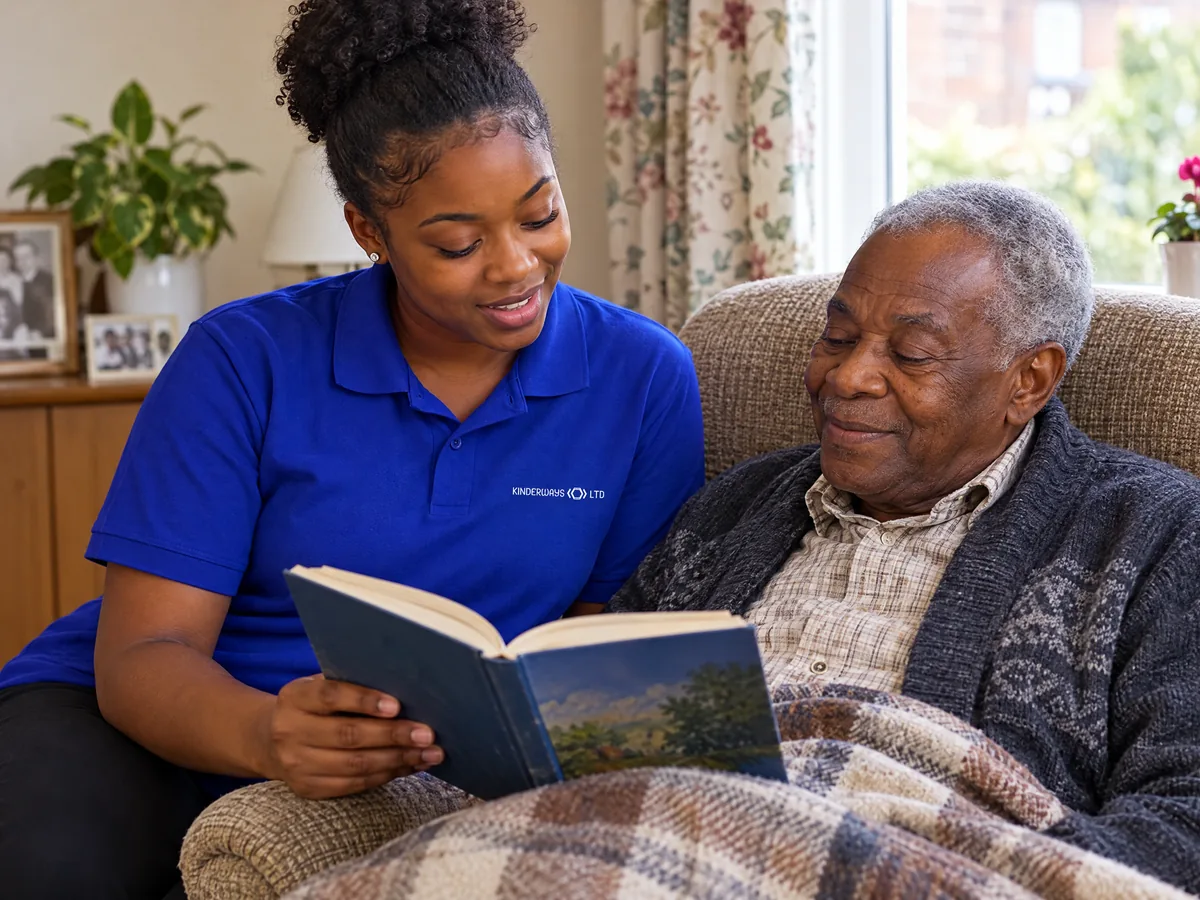
Gentle, personal care at home for people in the last months, weeks or days of life, and for the family and friends around them. We focus on comfort, dignity and what matters most to the person.
Looking for details of our service? Explore Palliative & End-of-Life Care
Being cared for at home
Many people wish to spend the end of their life at home, surrounded by familiar things and the people they love. With the right support, this is often possible. We work calmly and quietly, fitting around the person, their family and the healthcare team already involved.
What matters most
Every person's wishes are different. These are the kinds of wishes we help people honour.
Being at home in familiar surroundings
Hearing favourite music or prayers
Having a beloved pet nearby
Family and friends close by
Seeing the garden from the window
Feeling calm, clean and comfortable
How we can help
Everyday comfort
Gentle personal care, repositioning, drinks and small meals as wanted, and medication support within assessed scope.
Keeping identity and choice
Respecting routines, faith, culture and preferences, from favourite music to who the person wants nearby.
Supporting the family
Night-time support so families can rest, free one-to-one support for family and friends, and signposting to specialist services.
Planning together
Where the person has shared their wishes, perhaps in an advance care plan, we follow them and work with the family and professionals to honour them. We work alongside district nurses, GPs, hospices and palliative care teams.
Clinical decisions, symptom management and specialist palliative treatment remain with the person's healthcare team.
Care options that may suit
Common questions
If you are worried about symptoms or a sudden change, contact the person's GP, district nurse or palliative care team, or call NHS 111. In an emergency, call 999.
You may also be interested in
Talk to us
We are here to listen. Share a few details and a member of our team will call you at a time that suits you. Please do not include detailed medical information.
- Exeter & East Devon07305 503567
- Spalding & Lincolnshire01775 580000